
Three countries, three networks: why does our phone sometimes lose signal at the border?
FRANCE – GERMANY – LUXEMBOURG | EVERYDAY LIFE A call that drops mid-conversation, an internet connection that suddenly vanishes or a smartphone that takes several seconds to find a network again… For people living in the Three Borders area, these situations are all too familiar.
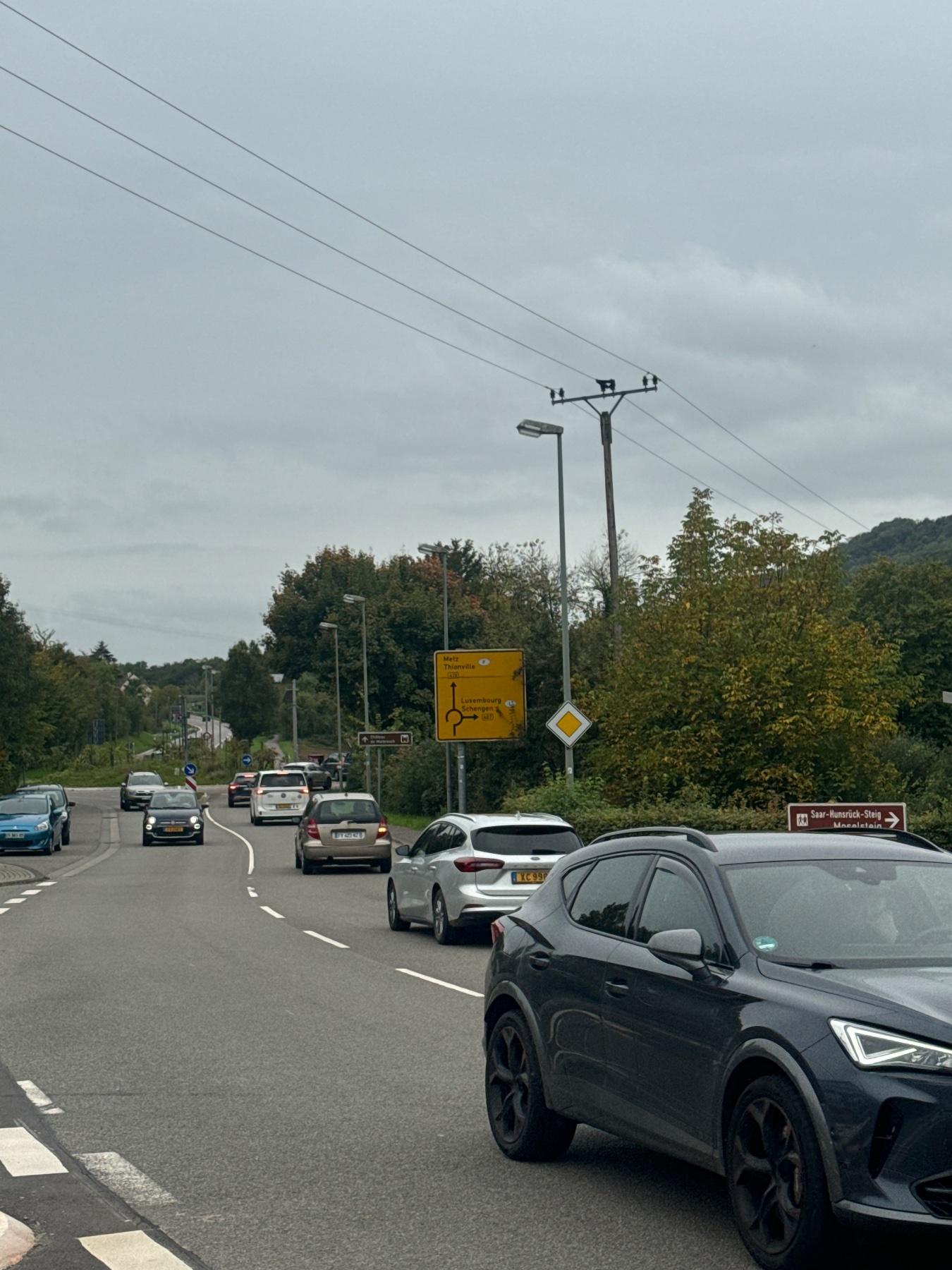
Between Sierck-les-Bains, Perl, Schengen, Remich and Apach, crossing a border is often part of daily life. Yet this cross-border mobility sometimes comes with minor problems with our mobile phones. So why does our network sometimes seem to abandon us when we change countries?
Three countries, several operators and different infrastructure!
The first explanation is technical. France, Germany and Luxembourg each have their own telecoms operators and their own mobile infrastructure.
When a user crosses a border, their phone may have to switch from their usual operator's network to that of a partner operator in the neighbouring country. This is known as 'roaming', or international roaming.
Normally, this switch happens automatically. But it is not always seamless. Depending on the coverage available, the phone's settings and the characteristics of the networks, the connection may briefly slow down or drop out.
Why doesn't the phone always pick up a network straight away?
Several factors can explain these problems: the distance between mobile masts, the terrain, buildings, the quality of coverage or a mast becoming overloaded at certain times of day.
It can also happen that the phone stays connected to a foreign network even though another, potentially better network is available nearby.
In other words, crossing a border does not automatically mean losing signal. But switching networks can sometimes cause a temporary interruption in service.
Is roaming still charged for in Europe?
It is an important question. Since the introduction of the European 'Roam Like at Home' scheme, users can use their mobile plan in European Union countries at no extra cost, under the conditions set out in their contract and the fair use rules.
France, Germany and Luxembourg are all covered.
This means that moving from one country to another should not normally lead to extra charges for calls, texts and mobile data. However, it does not guarantee the same reception quality everywhere.
A real issue for people in the Three Borders area
In our area, the issue goes far beyond the simple convenience of using a smartphone.
Thousands of people cross the borders every day to work, study, go shopping or visit family and friends. The mobile phone has become an essential tool for communicating, getting around and working.
Continuity of the mobile network is therefore a real issue for this cross-border community.
The question is worth asking: are the infrastructure and operators today sufficiently adapted to the way people in our area live?
What about you – do you experience these problems?
At Radio Tripoint, we would like to hear your stories.
Have you ever had a call drop when crossing from France into Germany or Luxembourg? Does your internet connection become slower in certain places? Have you noticed any areas with particularly poor coverage?
Your experiences will help us better understand the problems faced every day in the Three Borders area.
Radio Tripoint – The cross-border radio station
Read also
The whole section News
NewsMondorf-Les-Bains
Friday the 13th: between superstition, history and little beliefs, should we really be wary of our luck?
1 min read
NewsSierck-Les-Bains
In the vineyards, winter work is already paving the way for the next grape harvest
1 min read