E-scooters, bikes: can a helmet prevent tragedy? The Greater Region faces the challenges of road safety
Radio Tripoint opens the debate on wearing a helmet and protecting young road users.
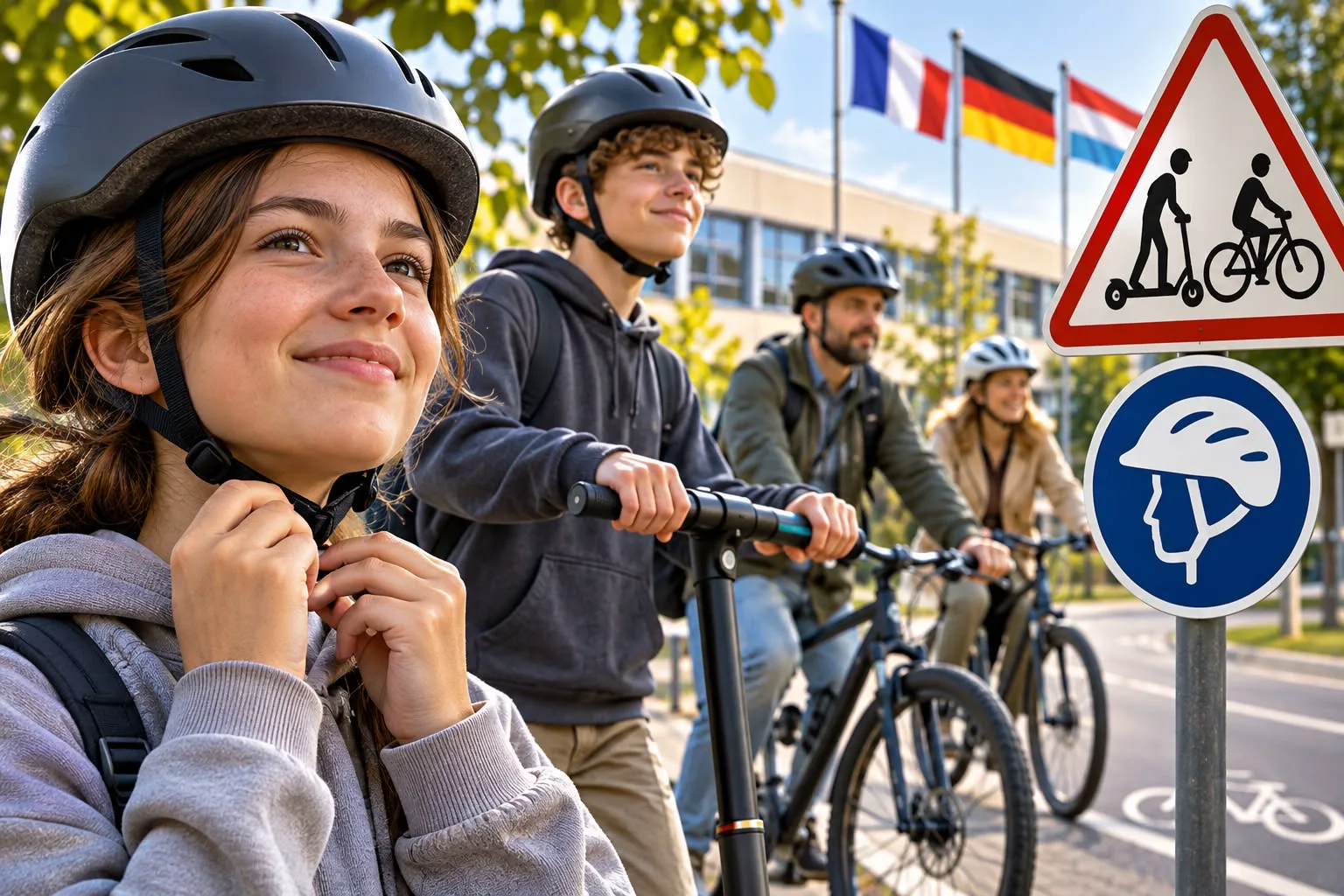
They have become a fixture of our towns and villages. Bicycles, e-bikes and e-scooters are now part of everyday life, especially for teenagers and young adults. Practical, cheap and sometimes quicker than the car for short journeys, these ways of getting around nonetheless carry risks that are still too often underestimated.
A fall, sudden braking, a car door opening or a collision with a vehicle can have particularly serious consequences. And in these situations, the head remains one of the most exposed parts of the body.
Figures that call for vigilance
In the Moselle department, the figures are worrying. Since the start of 2026, the prefecture had already recorded, by mid-October, 19 accidents involving motorised personal mobility devices, injuring 20 people, 12 of them seriously. In response, the prefect issued an order making helmets compulsory for users of these devices (e-scooters, gyropods, monowheels, hoverboards) throughout the department from 1 November 2026. Bicycles, including e-bikes, are not affected.
In Saarland, the police recorded 227 accidents involving e-scooters and other small electric vehicles in 2025, compared with 175 in 2024. The number of injured users rose from 121 to 155.
Across Germany, the picture is just as worrying: according to the Federal Statistical Office (Destatis), 16,496 e-scooter accidents causing personal injury were recorded in 2025, 38.1% more than in 2024, with 38 deaths. More than half of the e-scooter riders involved in accidents were under 25.
Three countries, different rules
In our Greater Region, the rules are not the same everywhere.
In France, helmets are compulsory on bicycles for children under 12, whether they are riding or being carried as passengers. For e-scooters, a helmet is generally recommended, but the Moselle department is now an exception with its order in force since 1 November 2026.
In Germany, there is no legal requirement to wear a helmet on an ordinary bicycle or an e-scooter. It is nonetheless strongly recommended.
In Luxembourg, the Grand Ducal Police also recommends wearing a helmet on a bicycle and an e-scooter, with no general legal obligation.
These differing rules deserve particular attention in an area where people cross borders every day to work, study or simply get around.
Protecting young people, raising everyone’s awareness
Although teenagers and young adults are particularly affected, road safety is not a question of generation. Parents, students, workers, occasional cyclists or regular e-scooter users: nobody is safe from an accident.
A few simple habits can help prevent tragedy:
- wear a properly fitted helmet;
- check your brakes and lights;
- make yourself visible;
- respect speed limits;
- never carry a passenger on a single-person e-scooter.
Through this article, Radio Tripoint hopes to open a discussion across the Three Borders area and launch an awareness campaign in schools throughout the Greater Region.
The aim: to inform young people, encourage parents to take responsibility and urge schools to give road safety a bigger place in their educational activities.
Because beyond borders and differences in legislation, one thing should bring us together: a helmet can make the difference between a simple fall and an accident with irreversible consequences.
« Safety is not a constraint. It is a shared responsibility. »
Sources: Moselle prefecture, Saarland Ministry of the Interior (2025 police road accident statistics), Federal Statistical Office of Germany (Destatis), Grand Ducal Police.
PreventionLuxembourg -Ville
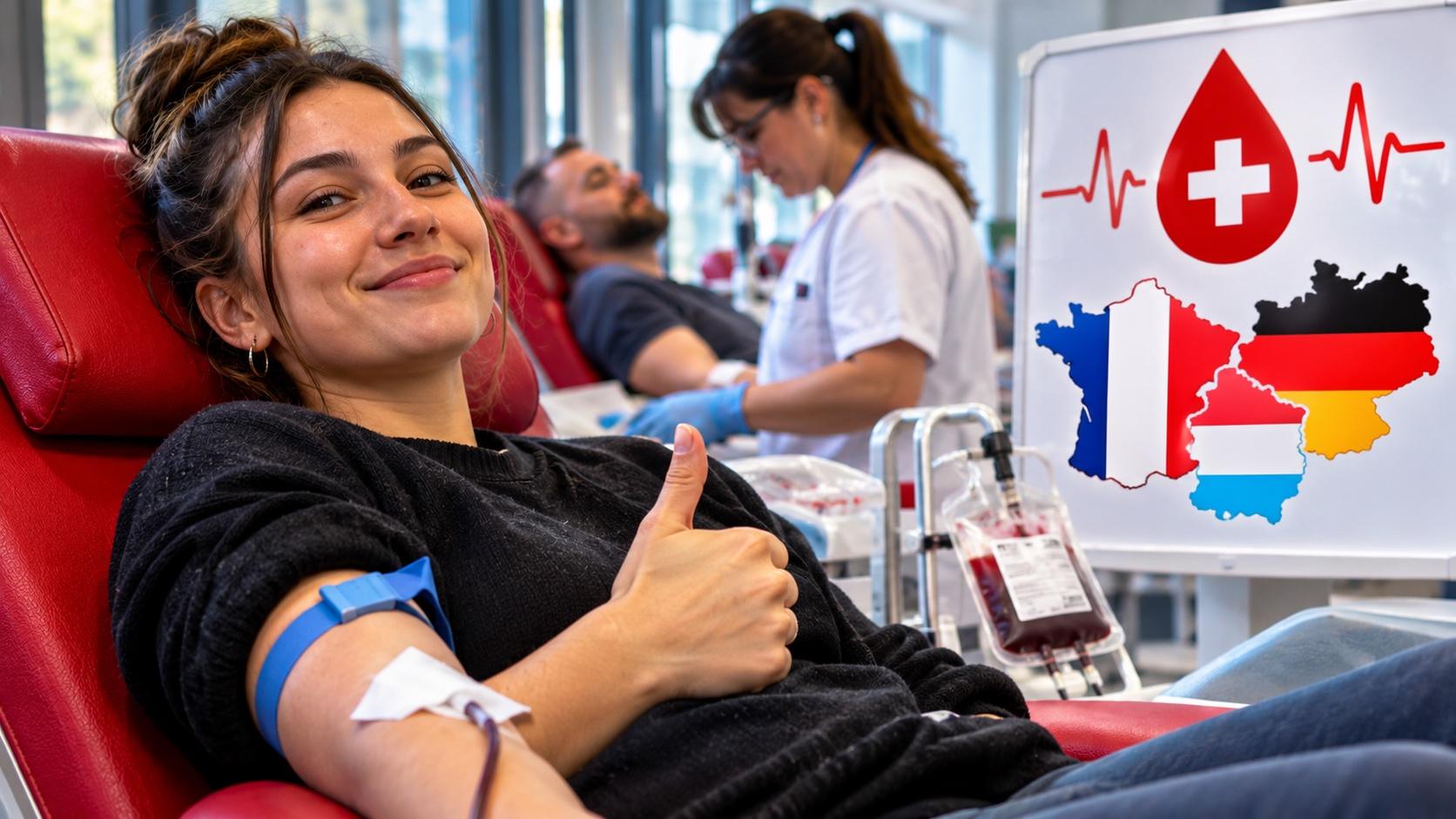
BLOOD DONATION: SOLIDARITY KNOWS NO BORDERS, GREATER REGION URGED TO RALLY ROUND
2 min read
PreventionRettel
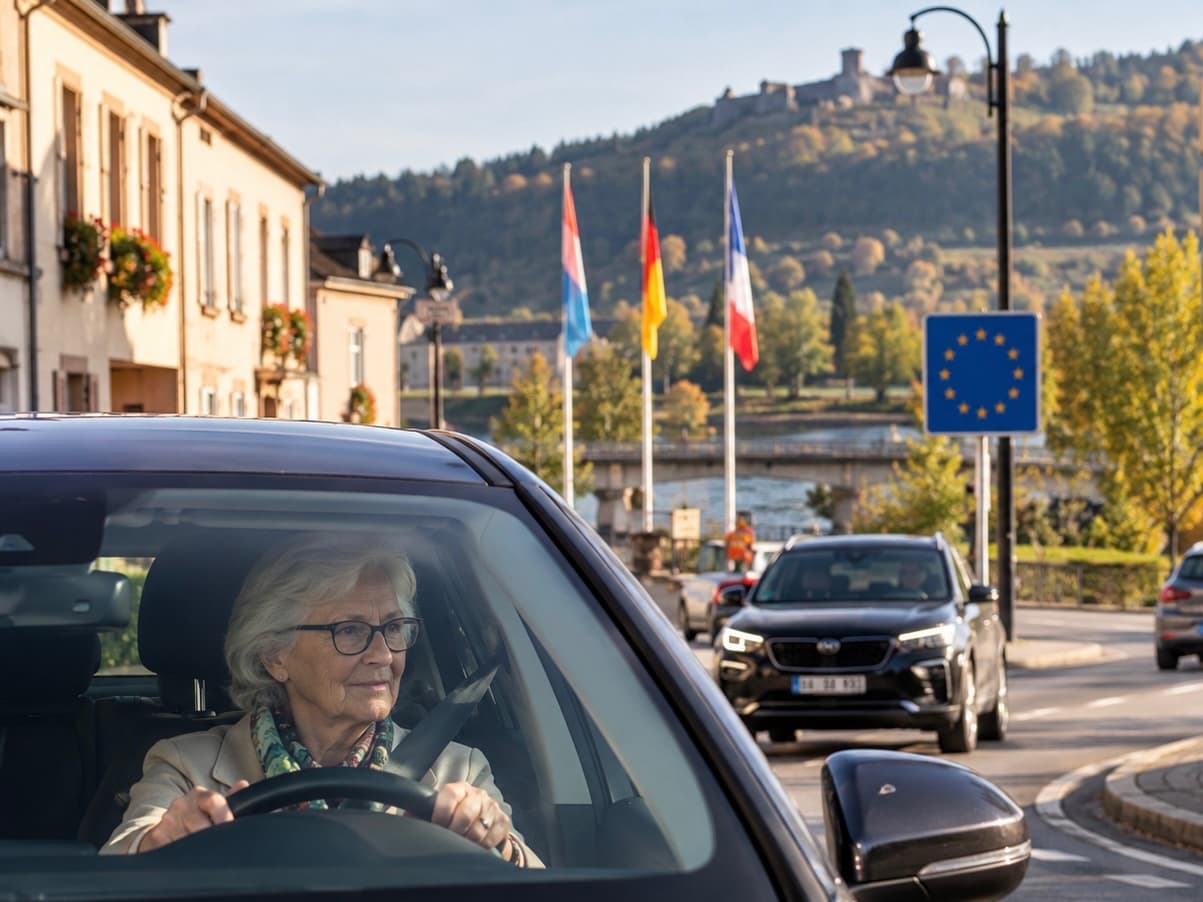
Older drivers behind the wheel: preconceptions versus the reality of the figures
2 min read