
France: shopkeepers, the big losers from protests, student demands and the Yellow Vests
Behind the social demands, student mobilisations and demonstrations, one professional group sometimes pays a heavy price: local shopkeepers.
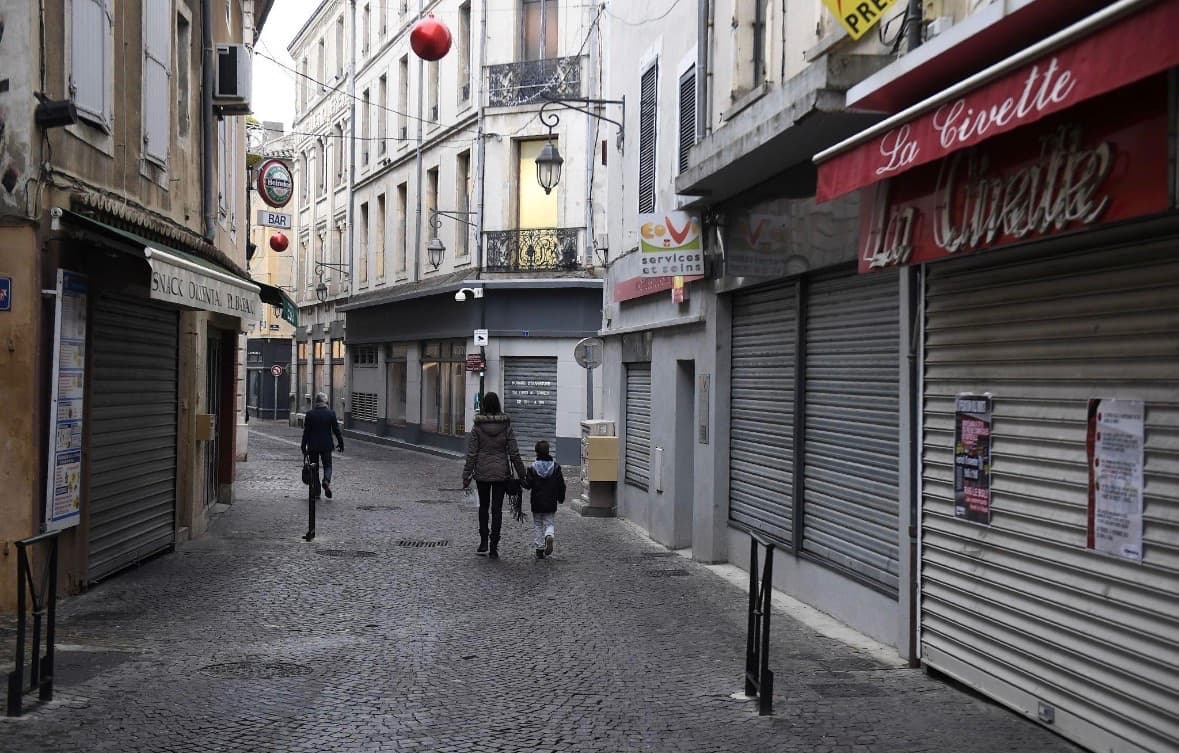
The Yellow Vest (Gilets jaunes) movements, which emerged in 2018, left a lasting mark on town centres. While the initial demands focused in particular on purchasing power and taxation, the repeated demonstrations also had economic consequences for many businesses.
In a report published in June 2019, the Senate noted that shopkeepers and craftspeople in the affected town centres had suffered significant losses of business. Estimates gathered from economic stakeholders pointed to falls in turnover of up to 20 to 30% for the businesses concerned. Some towns also recorded a drop in shopper footfall, including on days without demonstrations.
These consequences are not limited to damaged shop windows or stores forced to close. When a town centre is difficult to access, some customers prefer to postpone their purchases, turn to large out-of-town retail parks or order online. For a small shop, a day without customers can mean a loss that is hard to make up.
Small shopkeepers: a fragile economy
Bakeries, cafés, restaurants, clothes shops, hairdressers or independent shops: not all are affected in the same way. The impact depends in particular on their location, their customer base, how long the disruption lasts and whether lost sales can be recovered.
Unlike a large chain with several outlets, an independent shop often relies on limited cash reserves. Rent, wages, energy bills and loan repayments keep coming, even when business slows or the shop has to stay closed.
The problem is particularly acute during key trading periods, such as the festive season or the sales. A sale missed at a specific moment is not necessarily carried over to the following week. The customer may simply give up on the purchase.
Standing up for rights without forgetting those who work
Student demonstrations and social movements put forward demands that may reflect legitimate concerns: the cost of living, study conditions, employment, wages or career prospects. The right to protest is a fundamental freedom.
But the question of the economic impact also deserves to be raised. How can the ability to protest be preserved while limiting the consequences for employees, craftspeople and entrepreneurs who depend directly on footfall in town centres?
It is important to distinguish the consequences of a peaceful demonstration from those of prolonged blockades, damage or violence committed on the fringes of gatherings. The situations are not comparable, and not all social movements have the same effects.
Nevertheless, when a mobilisation blocks access to shops for a long period or is accompanied by destruction, the consequences can extend well beyond the day in question.
Compensation that does not solve everything
When a shop suffers damage, repairing the physical damage does not necessarily mean that all the harm will be compensated. Lost turnover, the costs of a temporary closure and cash-flow difficulties can persist.
The Senate's 2019 report on the consequences of the violence on the fringes of the Yellow Vest demonstrations already highlighted the depth and duration of this economic harm.
Insurance is also a central issue: cover depends on the guarantees taken out, the circumstances of the incident and the terms of the policy. Some shopkeepers may therefore find themselves facing losses they will have to bear themselves.
For small businesses, prompt support, simplified administrative procedures and better anticipation of disruption can help limit the damage.
Local shops: a key issue for town centres
Beyond individual hardship, the weakening of independent shops affects the whole area. These businesses play a part in neighbourhood life, create jobs and help keep town centres lively.
Their gradual disappearance can trigger a cycle that is hard to reverse: fewer shops, less footfall, less appeal and more empty premises.
The issue therefore goes beyond a clash between protesters and shopkeepers. It concerns a society's ability to reconcile democratic expression, social demands and the continuity of economic activity.
The debate remains open: how can people stand up for their demands without further weakening those who keep town centres alive? A question worth putting to public officials, trade unions, traders' associations and citizens.
Read also
The whole section News
NewsBouzonville
Bouzonville: Norbert Noël sports hall gets a makeover, blending modernisation and local heritage
2 min read