Why do we change the clocks?
Winter time: why do we put our watches back by an hour every autumn?
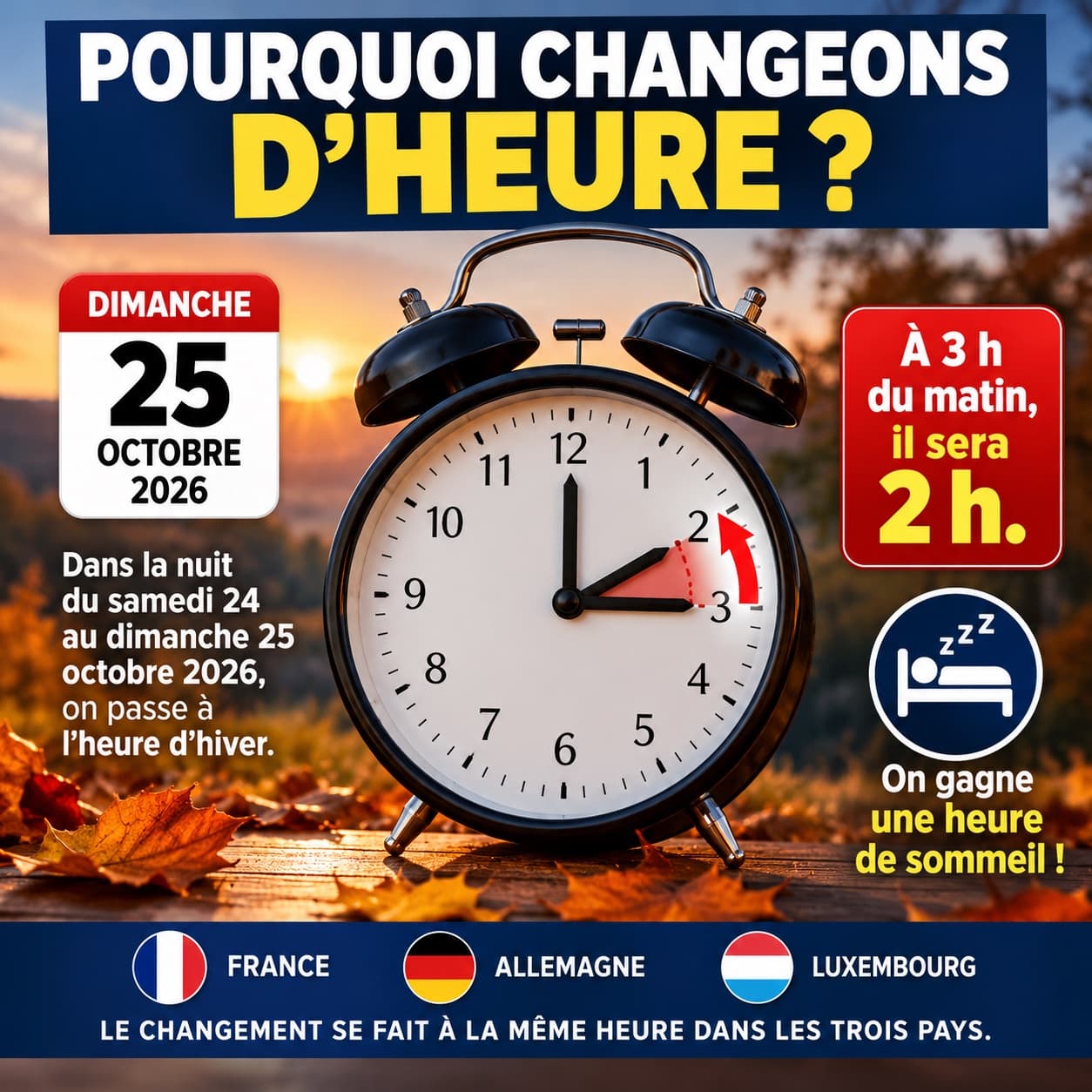
During the night of Saturday 24 to Sunday 25 October 2026, France, Germany and Luxembourg switch to winter time. At 3am, it will become 2am. The change gives us an extra hour's sleep, but every year it also reignites the debate over whether the system is still worthwhile.
A measure to save energy
The clock change was introduced in France in 1976, following the 1973 oil crisis, with the aim of reducing electricity consumption by making better use of natural daylight in the evening.
The principle is simple: by putting the clocks forward or back depending on the season, people's working and daily hours are better aligned with the hours of daylight. However, the energy savings actually achieved today are harder to measure, owing in particular to changes in heating methods, lighting and consumption habits.
Why do the clocks change in October?
Switching to winter time brings us closer to solar time. Mornings are therefore lighter, while darkness falls earlier in the evening.
The change can nonetheless temporarily disrupt our body clock, particularly sleep, mealtimes and daily routines. Most people adjust within a few days, although the effects vary from person to person.
Is an end to the clock change on the cards?
The debate is far from over. In 2019, the European Parliament voted in favour of abolishing seasonal clock changes. However, member states have not finalised the decision, partly because of the difficulty of coordinating between countries.
Pending any reform, the switch to winter time and the return to summer time therefore remain in force across the European Union.
A date to remember
This Sunday 25 October, clocks will need to go back one hour. For residents of the Three Borders region, the change will take place simultaneously in France, Germany and Luxembourg.
An extra hour's sleep, admittedly, but above all a change that reminds us how closely our schedules are tied to natural light and to the way we live.
Radio Tripoint — the cross-border radio station.
Read also
The whole section News
NewsTrappes
Trappes: one dead and four injured, racist motive at the heart of the investigation
1 min read
NewsSierck-Les-Bains
France: shopkeepers, the big losers from protests, student demands and the Yellow Vests
3 min read
NewsBouzonville
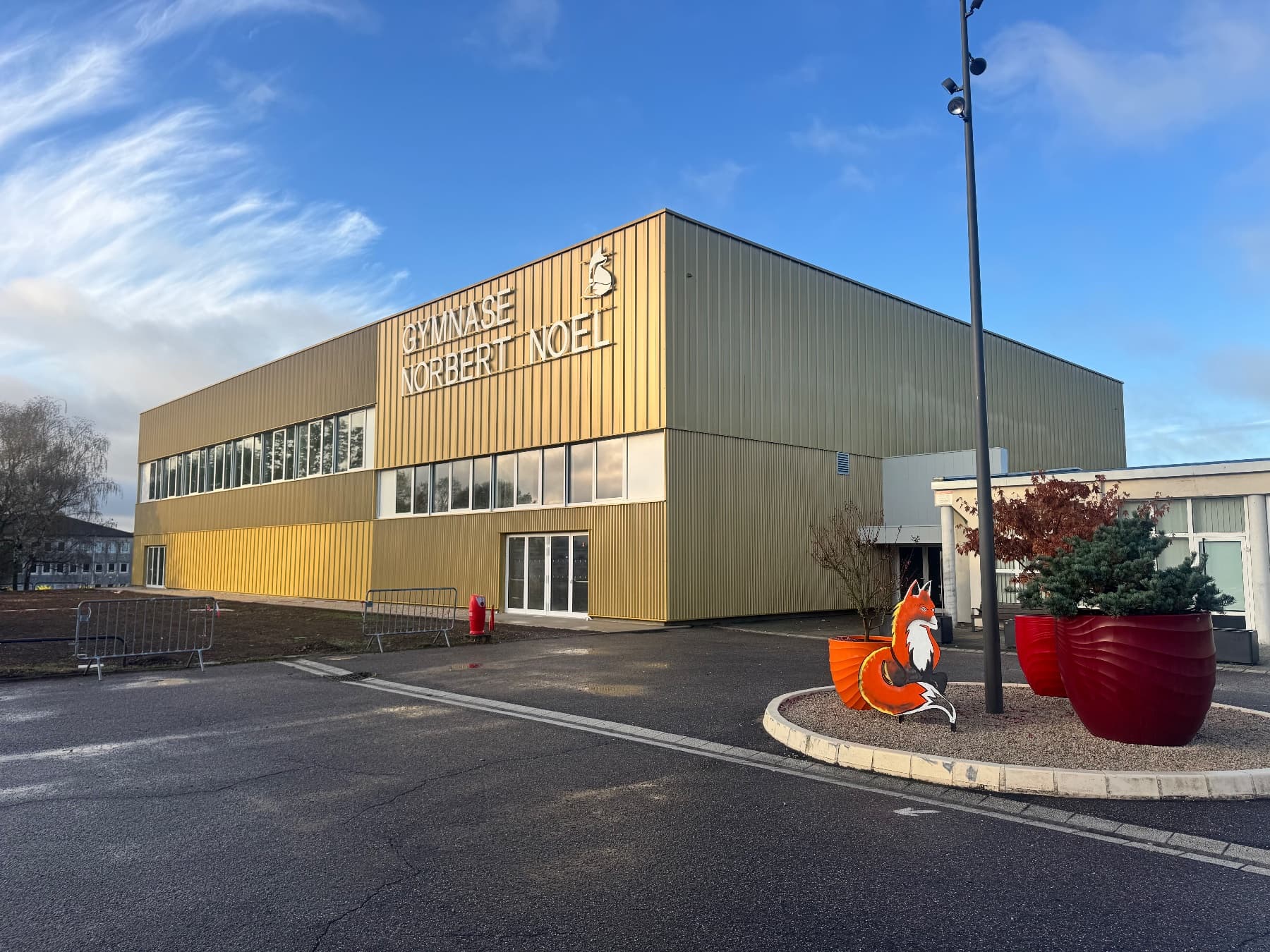
Bouzonville: Norbert Noël sports hall gets a makeover, blending modernisation and local heritage
2 min read